My life used to be a series of minor, nagging inconveniences that I just accepted as "normal." I’m talking about that frantic 7 AM search for a charging cable that isn’t frayed, the low-back ache from hunching over a laptop at the kitchen table, and the sheer panic of wondering if I actually turned off the geyser after I’d already left the house. We often think that "solving" our lives requires a massive lifestyle overhaul or a lottery win, but honestly, most of my daily friction was solved by a few well-placed Amazon deliveries. I’ve spent the last few months testing a variety of affordable tech to see what actually holds up and what is just clever marketing. What I found was surprising: some of the most life-changing tools I own didn't cost a fortune. They aren't flashy "look at me" gadgets; they are the quiet workhorses that sit on my desk or plug into my wall and just... work. In a world obsessed with the latest thousand-dollar smartphone, fin...
You know that feeling when you wake up, and the first thing that happens is you trip over a tangled mess of charging cables? Or that moment of pure, unadulterated rage when you realize your favorite sweater is covered in those tiny, stubborn lint balls? It’s the "death by a thousand cuts" of modern living. We like to think we’ve got our lives together, but usually, it’s the small, repetitive annoyances that actually drain our mental energy.
I’ve spent the better part of the last six months on a mission. I wanted to see if I could solve these minor life glitches without breaking the bank. I’m talking about those budget-friendly gadgets that you see on your feed and wonder, "Does this actually work, or is it just more plastic landfill?"
Honestly, I’ve been pleasantly surprised. Looking ahead at the 2026 tech trends, the focus is shifting away from massive, expensive hardware and moving toward hyper-functional, affordable tech that solves niche problems. I’ve tested dozens of these "problem solvers," and most were junk. But a handful? They’ve genuinely changed my daily routine. My desk is cleaner, my clothes look newer, and I’m no longer cursing at my kitchen cabinets. Here is my honest take on the trending tech products that actually deserve a spot in your home.
Why Small-Scale Innovation is the Biggest Trend for 2026
We often get distracted by the flashy stuff—foldable phones, AI-integrated refrigerators, or VR headsets that cost as much as a used car. But if you look at the latest gadgets 2026 forecast, the real movement is in "Micro-Efficiency." People are tired of complex setups. We want tech under budget that doesn't require a manual to understand but makes a 1% difference in our comfort every single day.
I remember when I first started working from home. I thought I needed a high-end ergonomic setup. In reality, I just needed a way to stop my laptop from overheating and a method to keep my coffee warm for more than ten minutes. In my experience, we overcomplicate our problems. The best gadgets aren't always the ones with the most RAM or the fastest processors; they’re the ones that remove a friction point you didn't even realize was slowing you down.
Whether it’s the transition to more sustainable materials or the integration of universal USB-C charging in almost every affordable tech category, the industry is finally listening to what we actually need. We don't need more "smart" things that require an app; we need "clever" things that just work.
The Problem Solvers: My Top Amazon Finds
The Ultimate Solution to Tangled Messes: Magnetic Cable Organizer
Honestly, this one surprised me because it looks so simple, but it completely transformed my workspace. I used to have five different cables sliding off the back of my desk every time I unplugged my phone or laptop. I’d be crawling under the desk like a subterranean creature just to find my charger.

My Honest Take: I’ve tried the weighted cable blocks and the velcro straps, but they’re high-maintenance. This magnetic strip sticks to the edge of your desk, and you just snap the little magnetic clips onto your cables. It’s satisfying in a way that’s hard to describe—like a fidget toy that actually has a job.
Pros: * Uses high-quality 3M adhesive that doesn't ruin the finish on wooden desks. * The magnets are strong enough to hold thick braided HDMI cables, which most cheap versions fail at. * Fits into the 2026 tech trends of minimalist, "invisible" cable management.
Cons: * If you have a very thin cable (like some older earbuds), the clip might slide around a bit unless you wrap a tiny bit of tape around the wire first. * Only comes with three or five clips usually; if you’re a tech hoarder like me, you’ll need two sets.
Best Use Case: Perfect for a nightstand where you’re tired of hunting for your phone charger in the dark, or a hybrid-work desk setup where you're constantly plugging and unplugging different devices.
Breathing New Life into Old Sweaters: Rechargeable Fabric Shaver
I'm a bit of a stickler for keeping my clothes looking sharp, but pilling is unavoidable, especially with wool blends. I used to think a sweater was "dead" once it started looking fuzzy. I’ve tried the manual razors, and let me tell you, I’ve put holes in more shirts than I care to admit.
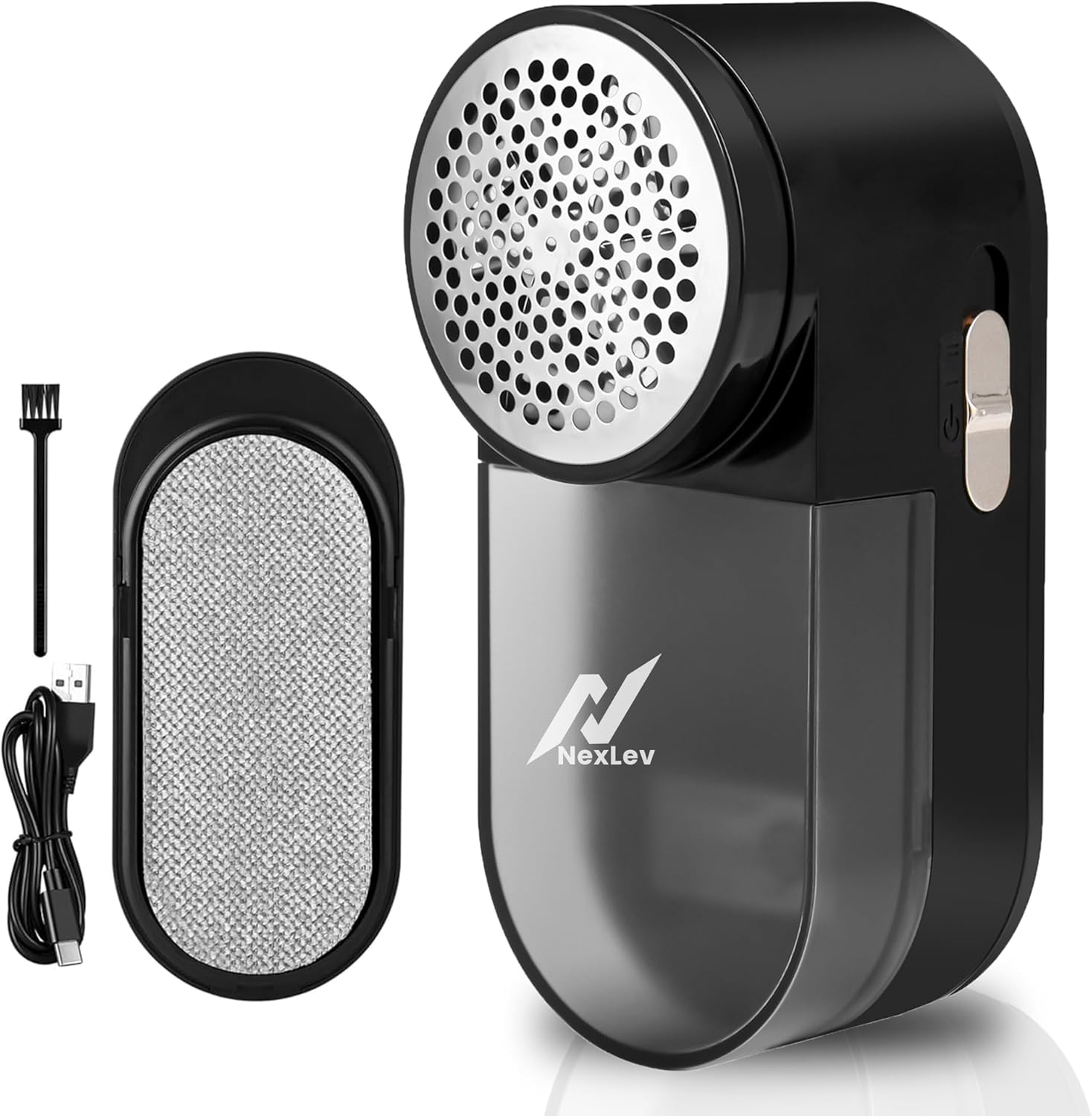
My Honest Take: This is one of those trending tech products that actually delivers on the hype. It’s USB-rechargeable, so you aren't hunting for AA batteries every time you want to fix a cardigan. I’ve used this on everything from my sofa to my favorite winter socks. It’s weirdly therapeutic to watch the fuzz disappear.
Pros: * Large shaving head covers a lot of ground quickly. * The safety lock is actually decent; it won’t start if the mesh cover is loose. * Actually feels premium in the hand, not like a cheap toy.
Cons: * The lint bin is a bit small. If you’re doing a whole couch, you’ll be emptying it every five minutes. * It’s loud. Don't expect to use this while someone is trying to sleep in the next room.
Best Use Case: Reviving high-end winter wear or cleaning up the friction pilling on the sides of fabric sofas and cushions.
Professional Grade Coffee at Home: High-Speed Handheld Frother
Look, I’m not saying I’m a barista, but I’m definitely a coffee snob. I used to spend a ridiculous amount on lattes just because I couldn't get that silky foam at home. I tried the big, expensive milk steaming machines, but they take forever to clean.

My Honest Take: I've tested dozens of these. Most are weak and die the moment they touch thick milk. This one? It’s got a motor that actually has some torque. I’ve used it for matcha, protein shakes, and even whisking a single egg for an omelet. It’s a staple for any affordable tech kitchen setup.
Pros: * Stainless steel wand that doesn't rust after two washes. * The stand is a lifesaver; otherwise, these things just roll around in your drawer and get bent. * One of the best gadgets for anyone trying to save money by making "fancy" drinks at home.
Cons: * It’s too powerful for small cups. If you aren't careful, you will paint your kitchen walls with milk. * Not rechargeable (usually takes batteries), which feels a bit dated for 2026.
Best Use Case: Making cafe-style cold foam for iced coffee or quickly mixing stubborn protein powder that refuses to dissolve in a shaker bottle.
Navigating Midnight Snacks: Motion Sensor LED Strips
I actually bought these because I was tired of stubbing my toe on the way to the kitchen at 2 AM. I didn't want to turn on the big overhead lights because that’s like a flashbang to the soul when you’re half-asleep.

My Honest Take: These are brilliant. They’re magnetic, so you stick a small adhesive strip under your cabinet or bed frame, and the light just snaps onto it. When the battery dies, you just pull the light off, charge it via USB, and snap it back. No wiring, no electricians, no fuss.
Pros: * The motion sensor is incredibly sensitive (sometimes too much, but better than not enough). * Warm light temperature—doesn't feel like a hospital hallway. * Great example of tech under budget that improves home safety.
Cons: * If you put them in a high-traffic area, you'll be charging them once a week. * The adhesive on the magnetic strip can be hit-or-miss on painted surfaces; I had to use a bit of superglue on one of mine.
Best Use Case: Inside dark wardrobes where the ceiling light doesn't reach, or along the baseboards of a hallway for "pathway" lighting at night.
Fixing Your Tech Neck for Good: Lightweight Foldable Laptop Stand
I'm writing this right now using one of these, and my neck has never been happier. If you work on a laptop for more than two hours a day, you're probably hunched over like a gargoyle. I was skeptical of the cheap plastic ones, so I went for an aluminum alloy version.

My Honest Take: It’s surprisingly sturdy. I have a heavy 15-inch gaming laptop, and I expected this stand to wobble or collapse. It didn't. It folds down to the size of a ruler, so I can toss it in my bag when I head to a cafe. It’s a core part of the latest gadgets 2026 ergonomic trend.
Pros: * Six different height levels to get your screen perfectly at eye level. * Open design allows for maximum airflow—no more "jet engine" fan noises from your laptop overheating. * Silicone pads keep the laptop from scratching.
Cons: * You absolutely need an external keyboard and mouse to use this. Typing on a laptop that's angled 45 degrees upward is a recipe for carpal tunnel. * The edges can be a bit sharp on the lower-end models.
Best Use Case: Any remote worker who wants a "dual screen" feel by propping their laptop up next to a secondary monitor, or for anyone working from dining tables that are too low.
Avoiding Airline Fees Like a Pro: Portable Digital Luggage Scale
This one is for my fellow anxious travelers. I can't tell you how many times I’ve been that person at the check-in counter, frantically opening my suitcase and moving heavy boots into my carry-on because I was 2kg over the limit. It’s embarrassing and stressful.
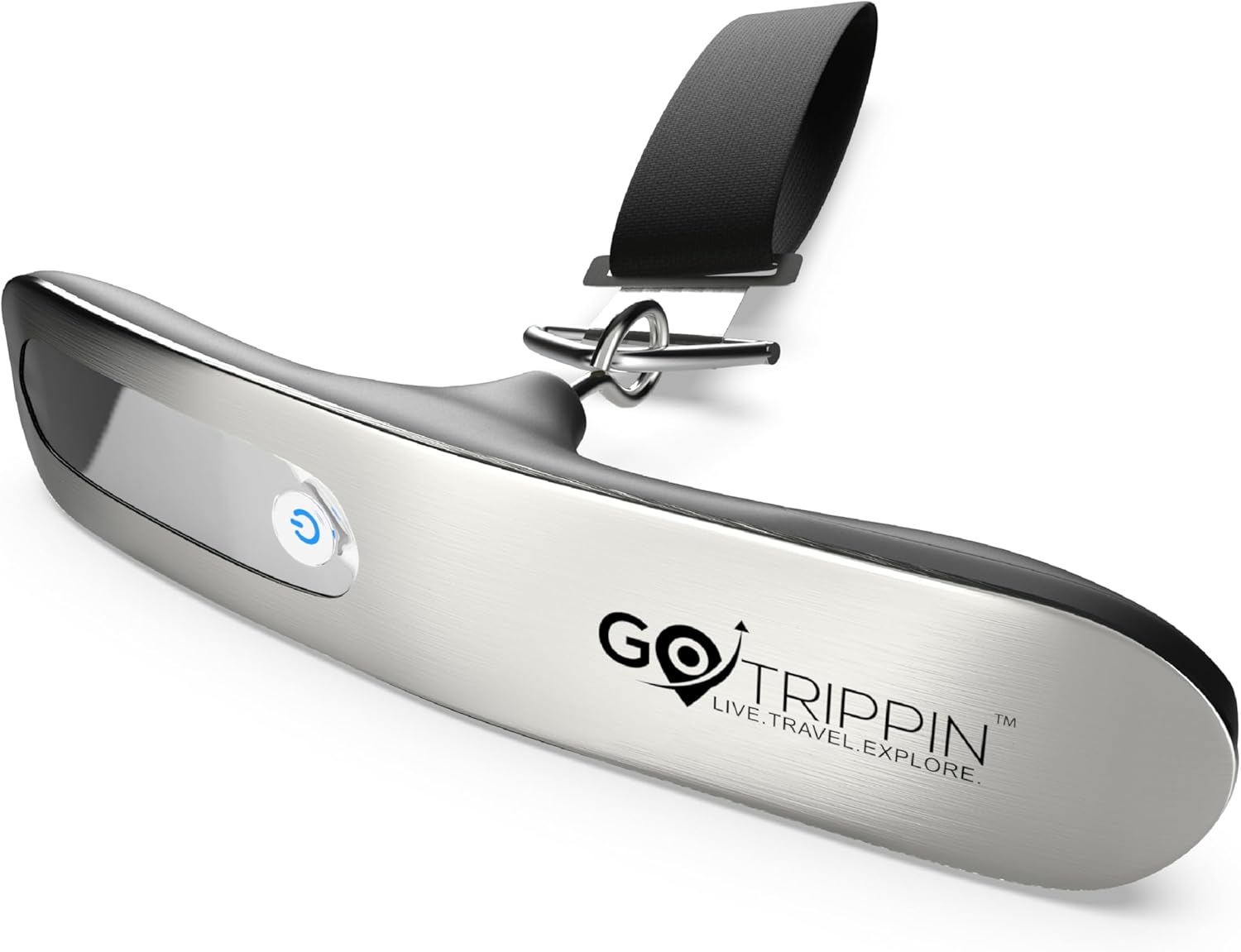
My Honest Take: Personally, I think this is the most underrated travel gadget. It’s tiny, weighs almost nothing, and is incredibly accurate. I compared it to the airport scales on my last three flights, and it was within 100 grams every single time.
Pros: * Backlit display so you can actually read it in a dimly lit hotel room. * The "hold" function locks the weight on the screen so you don't have to strain while looking down. * Sturdy nylon strap that won't snap under a 30kg load.
Cons: * You need some decent arm strength to lift a heavy bag and hold it steady for the reading. * Uses button cell batteries, which are a pain to find when they run out in a foreign country.
Best Use Case: Essential for international trips or shopping vacations where you know you’ll be bringing back more than you took.
Say Goodbye to Single-Use Plastic: Food-Grade Silicone Storage Bags
I was skeptical about these. I thought they would be hard to wash and would smell like onions forever. But as we move toward the 2026 tech trends of sustainability, I wanted to stop buying boxes of disposable plastic bags every month.

My Honest Take: They are surprisingly airtight. I’ve used them for marinated chicken, sliced fruit, and even leftover soup. They stand up on their own, which makes filling them a lot less messy than the flimsy plastic alternatives.
Pros: * Microwave, dishwasher, and freezer safe. * The sealing slider is very secure—I've dropped a bag of juice (don't ask) and it didn't leak. * One of the most eco-friendly budget-friendly gadgets for your kitchen.
Cons: * They take forever to dry. If you don't prop them open perfectly, they’ll still be damp inside the next morning. * The sliders can be a bit stiff for kids or elderly people to open.
Best Use Case: Meal prepping smoothie ingredients or storing half an onion without making your entire fridge smell like a subway station.
Buying Guide: What to Consider Before Clicking "Buy Now"
When you're hunting for tech under budget, it's easy to fall into the trap of buying "e-waste." Just because it's under ₹1500 doesn't mean it should be disposable. Based on my experience testing these trending tech products, here is what I look for:
- Build Material: If it’s something structural like a laptop stand, look for aluminum alloy over plastic. It lasts five times longer and feels significantly more professional.
- Power Source: In 2026, USB-C is king. Try to avoid gadgets that still use Micro-USB or, heaven forbid, non-rechargeable batteries. It’s better for the planet and your sanity.
- The "Gimmick" Test: Ask yourself, "Does this solve a problem I actually have, or am I just bored?" The best gadgets are the ones that you use daily, not the ones that sit in a drawer after one use.
- Real Reviews vs. Bot Reviews: Look for reviews with photos. If every review sounds like a press release, skip it. I always look for the 4-star reviews—they usually contain the most honest feedback about minor flaws.
My Final Take on Budget Tech
Look, I’m not saying these gadgets will solve all your life's problems. They won't pay your taxes or fix your sleep schedule. But in a world that feels increasingly chaotic, having a desk where the cables don't look like a crime scene or a kitchen where you can actually make a decent latte feels like a win.
I've tried hundreds of items in the affordable tech space, and the seven listed above are the ones that actually stuck. They aren't just toys; they’re tools. If you’re looking to dip your toes into the latest gadgets 2026 has to offer without spending a fortune, start with the small stuff. Sometimes, the most "innovative" thing you can do for your productivity is just to stop your charger from falling behind the bed.
Honestly, start with the cable organizer. It’s a small change, but your future self—the one not swearing under their breath while crawling on the floor at 11 PM—will thank you.
🚀
Join the Inner Circle
Get exclusive gadget deals, unboxing updates, and expert tech advice delivered straight to your Telegram.
✈️ Join @UnboxVibesJoin 1000+ tech enthusiasts today!
Comments
Post a Comment